
Our Health & Wellbeing
This month’s main article is written by Jennifer Morecroft, our local dentist. Thanks to Jennifer for her expertise and insights this month.
Why Gum Health Matters to Your General Health
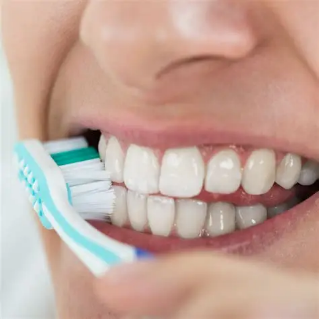
 We often think of oral health as being separate from general health. However, evidence increasingly suggests that the two are closely connected. While gum disease primarily affects the tissues supporting our teeth, the associated inflammation may have wider effects on general health.
Periodontal disease (gum disease) is extremely common. Initially, the gums become inflamed (gingivitis) and may appear red and swollen, or bleed during brushing. If left untreated, this can progress to periodontitis (gum disease), where the gum and bone supporting the teeth are gradually destroyed. This can then lead to tooth loss.
The mouth is home to a complex web of bacteria. When the gums are persistently inflamed, bacteria and inflammatory substances can enter the bloodstream and contribute to inflammation elsewhere in the body. This is one of the mechanisms researchers believe may explain the association between periodontal disease and chronic health conditions.
It is important to emphasise that an association does not necessarily mean that one condition causes another. Many chronic diseases share common risk factors, such as smoking, age, diabetes and lifestyle. Nevertheless, growing evidence reinforces the importance of maintaining good oral health as part of looking after our general health.
Gum health and the wider body
Heart and circulation
The relationship between periodontal disease and cardiovascular disease has been extensively studied. Research has found associations between periodontitis and conditions including heart disease, stroke and high blood pressure.
Chronic inflammation appears to be an important factor. Studies have shown that successful periodontal treatment can reduce certain markers of inflammation and improve aspects of blood vessel function. However, there is currently insufficient evidence to conclude that treating gum disease prevents heart attacks or strokes.
Diabetes
The relationship between periodontal disease and type 2 diabetes is particularly well established and appears to work in both directions: poorly controlled diabetes increases the risk and severity of gum disease, while significant periodontal inflammation can make blood glucose more difficult to control. Clinical studies have shown that treating periodontitis can produce a modest improvement in blood glucose control.
For people with diabetes, regular dental care and good gum health should therefore be considered part of the overall approach to managing their condition.
Respiratory health
Oral bacteria can enter the lungs, particularly in people who are frail or medically vulnerable. This may be especially significant for individuals in hospitals or residential care, where maintaining effective oral hygiene can be more difficult.
Research has identified associations between periodontal disease and conditions such as pneumonia and COPD. There is also good evidence that improving oral hygiene and providing regular professional oral care can reduce the risk of pneumonia in vulnerable groups.
Gum health and cognitive decline
One of the more recent and interesting areas of research concerns the possible relationship between periodontal disease and cognitive decline, including Alzheimer’s disease.
Several studies have found an association between moderate to severe periodontitis and an increased risk of cognitive impairment or dementia. Researchers are investigating whether chronic inflammation associated with gum disease, together with the movement of oral bacteria into the bloodstream, might contribute to processes involved in brain ageing and Alzheimer’s disease.
There is also evidence that some bacteria associated with periodontal disease may be found in the tissues or fluids surrounding the brain, although the significance of this finding is still being investigated.
It is important to be clear that research has not established that gum disease causes Alzheimer’s disease or dementia. Cognitive decline is complex and influenced by many genetic, medical and lifestyle factors. Nevertheless, the possibility that long-term oral inflammation could be one of several modifiable factors contributing to cognitive health is an important area of ongoing research.
For those of us interested in maintaining both physical and mental health as we age, this provides another good reason to take oral health seriously. Efficacy of tooth cleaning directly influences the health of our gums and, therefore, this is a relatively straightforward way to actively contribute to our overall health.
Conditions such as dementia and Parkinson’s disease can make toothbrushing and cleaning between the teeth more difficult because of changes in memory, concentration or manual dexterity. Some medications can cause a dry mouth, which further increases the risk of dental problems. In these circumstances, additional support with daily oral hygiene and regular professional dental care can be particularly valuable.
What can you do at home?
Although research into the relationship between oral and general health continues, the practical advice is straightforward: good periodontal health is best maintained by brushing twice daily with fluoride toothpaste and cleaning carefully between the teeth. Regular dental examinations allow early signs of gum disease to be identified and treated.
Persistent bleeding or swollen gums should not simply be regarded as a normal consequence of getting older; they are signs of inflammation and should be assessed by a dental professional.
For older adults, maintaining good oral hygiene becomes particularly important if physical or cognitive difficulties make daily tooth cleaning a challenge. Where necessary, family members or carers can provide practical assistance, and dental teams can advise on suitable cleaning techniques and aids. At Wedmore Dental Practice we also offer a home-visiting service for those who are unable to attend clinic.
Smoking is one of the most important risk factors for periodontal disease and contributes significantly to many other serious health conditions. Stopping smoking therefore has substantial benefits for both oral and general health.
In summary
The evidence increasingly supports the principle that a healthy mouth is an important component of a healthy body. Preventing and treating periodontal disease helps to maintain and retain our teeth. Research is still ongoing as to whether good gum health also contributes to protecting against cardiovascular, metabolic and cognitive diseases.
For those wishing to maintain their health and independence into later life it is simple and worthwhile to establish a good oral hygiene regime, regular dental care and early treatment of gum disease. Looking after our gums is a small, but crucially important, component of looking after our health as we age.
Jennifer Morecroft BDS MCGD
Dentist and Practice Owner, Wedmore Dental Practice
Support for people with dementia and their carers in Wedmore
Carer’s Group
Do you care for or support a person living with dementia? Then this friendly informative group is for you! Come along on the first Friday of the month to The Swan Hotel, Wedmore between 10am and 12md. The next meeting will be on Friday 6th November. If you want to find out more about the Memories Workshops and Carers’ Group, phone HeadsUp on 01749 670667 or email wedmorecarers@yahoo.com If you need help with funding for attending HeadsUp, just ask, help may be available.
Coffee and a Chat
For general support with mental wellbeing Somewhere House, a charity based in Burnham, visits The Bluebird Café in Wedmore on the first Wednesday of the month, from 10-12md. They offer an opportunity to meet and chat. For more information contact them on 01278 780769
To read this article online go to www.whawb.co.uk go to the Wedmore News link and search for November 2026.
Cathy Butterworth
Wedmore Health & Wellbeing Project. 01934 806266 cb@theconsultant.org